A reflection on less definable moments of learning
Central Highlands, Vietnam, January 2020
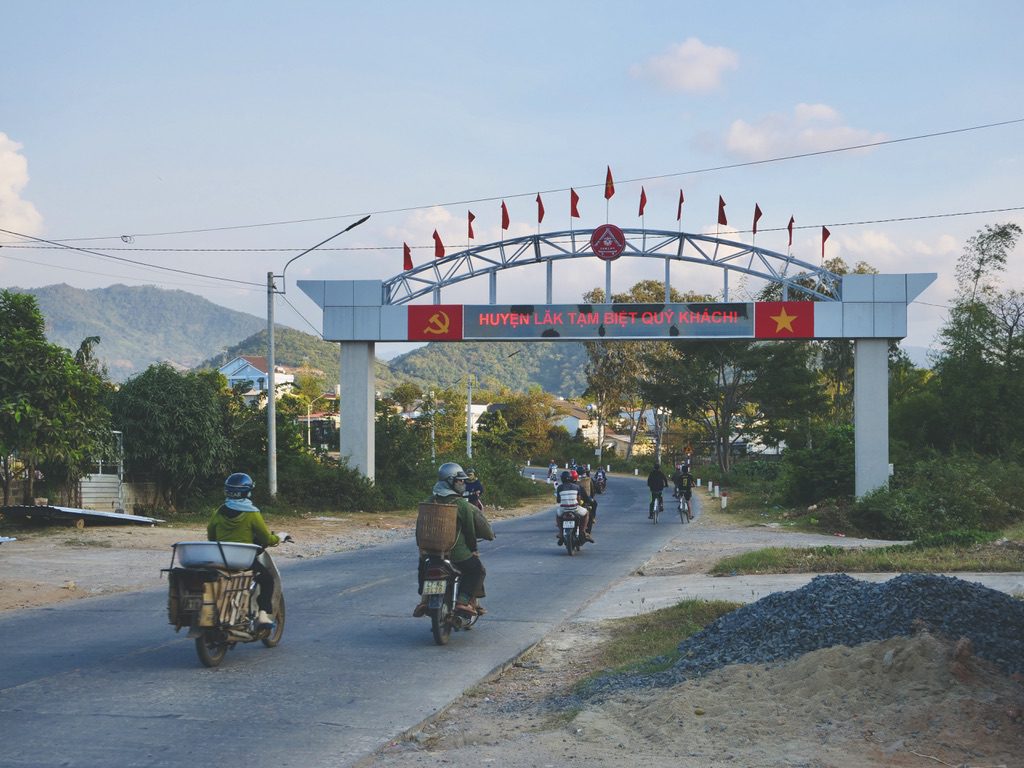
Early 2020, just before the world shut, I left Saigon on my trusted motorbike, which by the end of my time in the country carried me the equivalent of two Earthy circumnavigations. I packed lightly, clothes, my camera, a notebook and set off on a twelve hour ride into the Central Highlands. I had no guide, no itinerary, only a question: What had become of the Vietnamese elephant?
Vietnam once had thousands. Now, fewer than 80 remain in the wild. Another hundred live in captivity – bygone tourist attractions or labourers, slowly fading from memory.
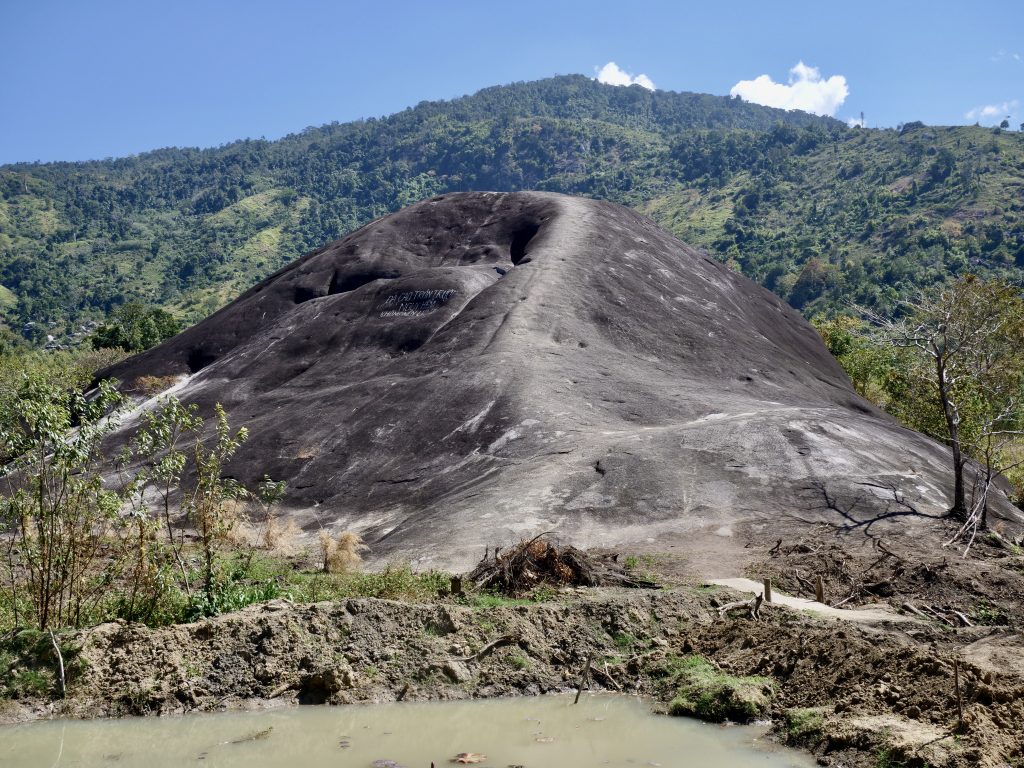
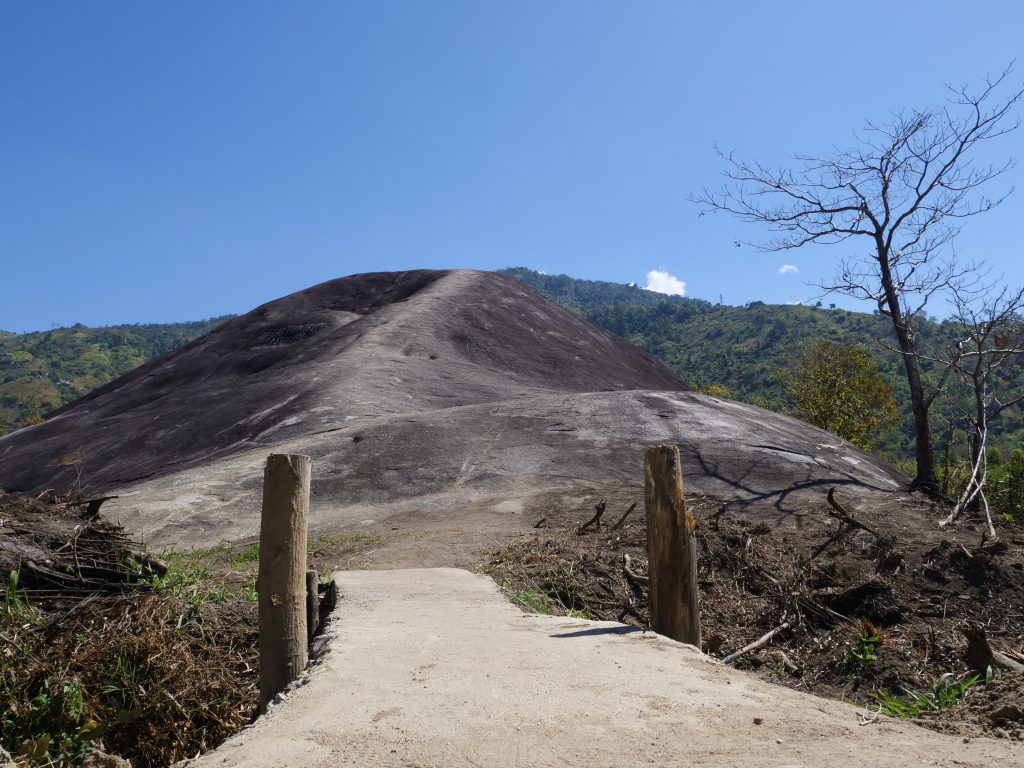
I arrived in Buôn Ma Thuột at last light, a highland city at the heart of Vietnam’s coffee country. In the dry red earth outside town, I found Elephant Rock, a dark basalt monolith rising from a sea of green. Legend says it’s the body of a mother elephant, who wandered the jungle in search of her mate until, exhausted, she lay down and never rose again. It felt like a fitting monument to what had been lost.
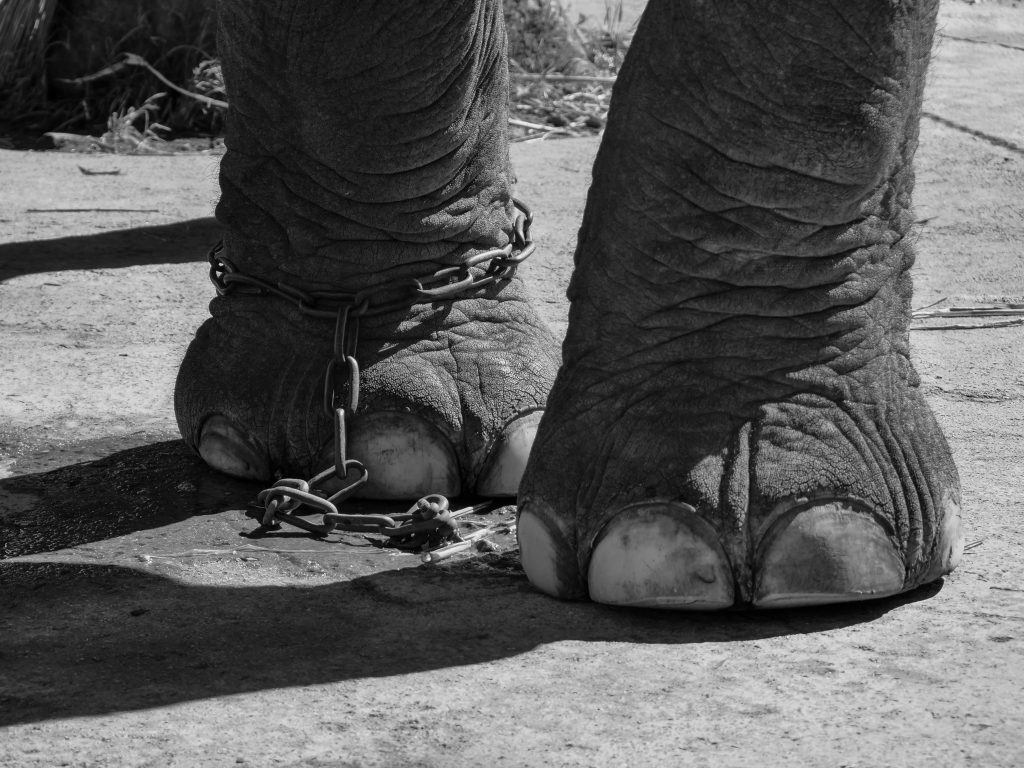
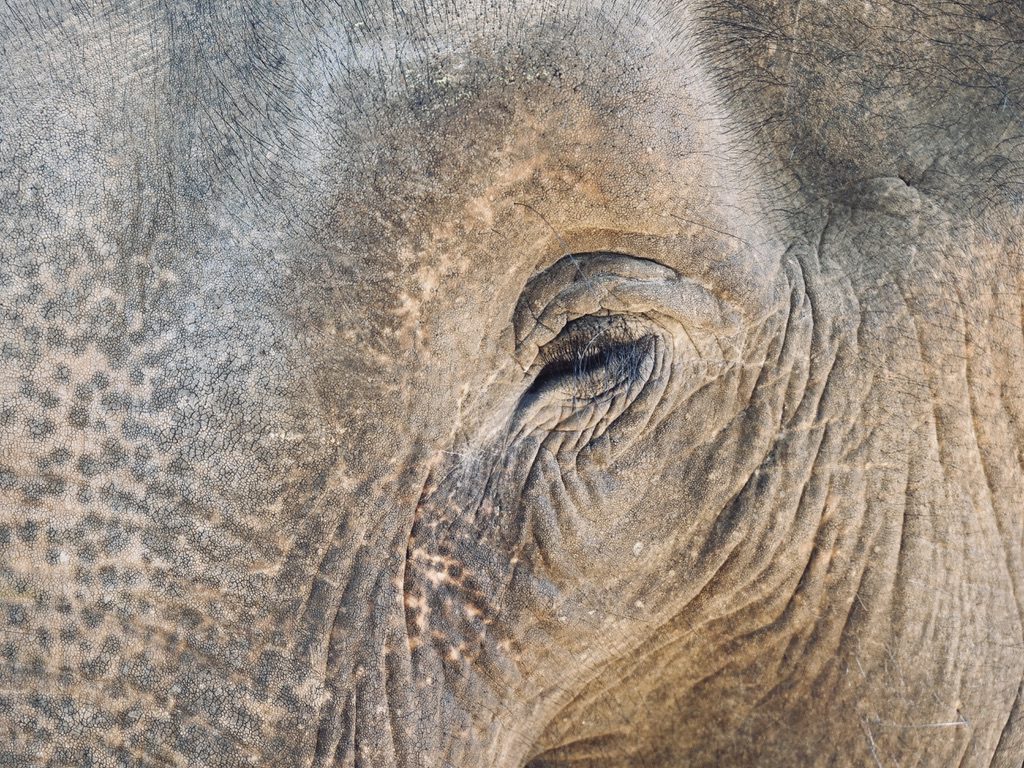
At the time, elephant riding was on the verge of being outlawed, a last breath before reform. I saw elephants chained in dry, dusty yards, their mahouts pacing slowly beside them. Many were already out of work. Tourists had stopped coming. Saddles lay abandoned in the dust, relics of a cruel industry in retreat, ghosts of canteens, children’s laughter and an ignorant wonderment. The elephants, some half-blind, skeletal, swayed gently from side to side, a movement not of rhythm but of trauma.
Deeper into elephant country, mahouts saddled loose above these gentle giants, moving them between rest and the workplace. Still, I wanted to see the other side of the story: the beginning, perhaps, of a different future.
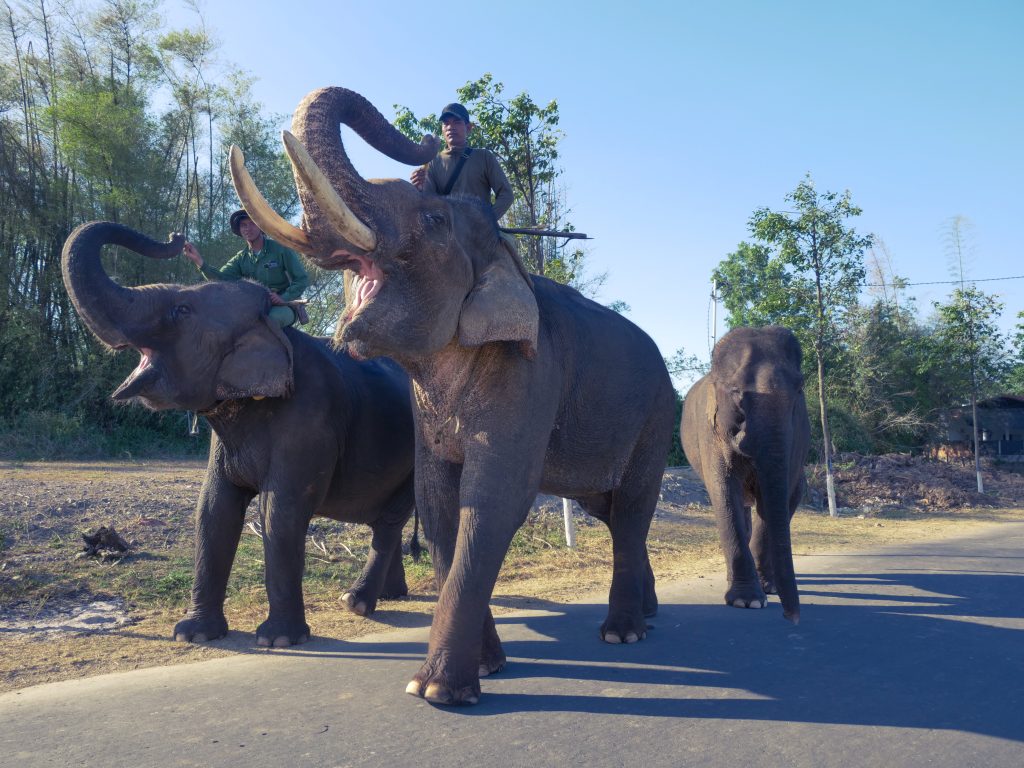
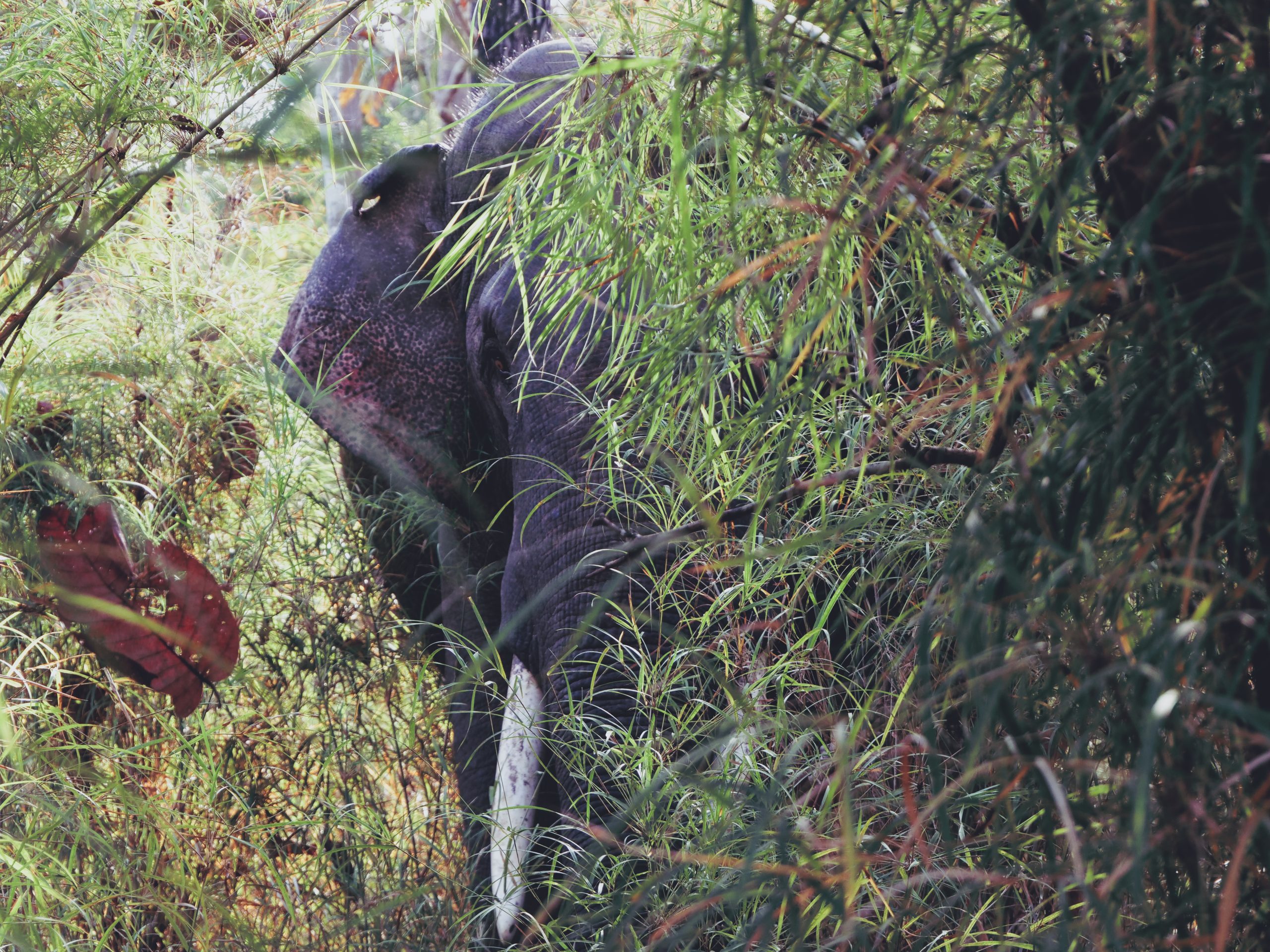
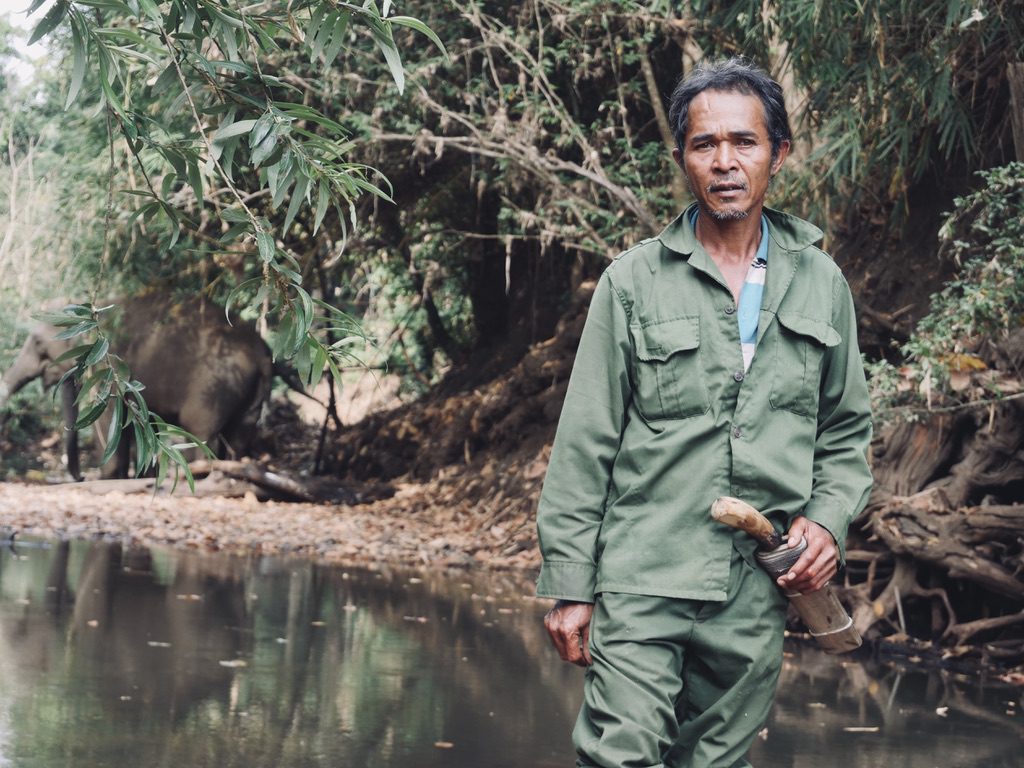
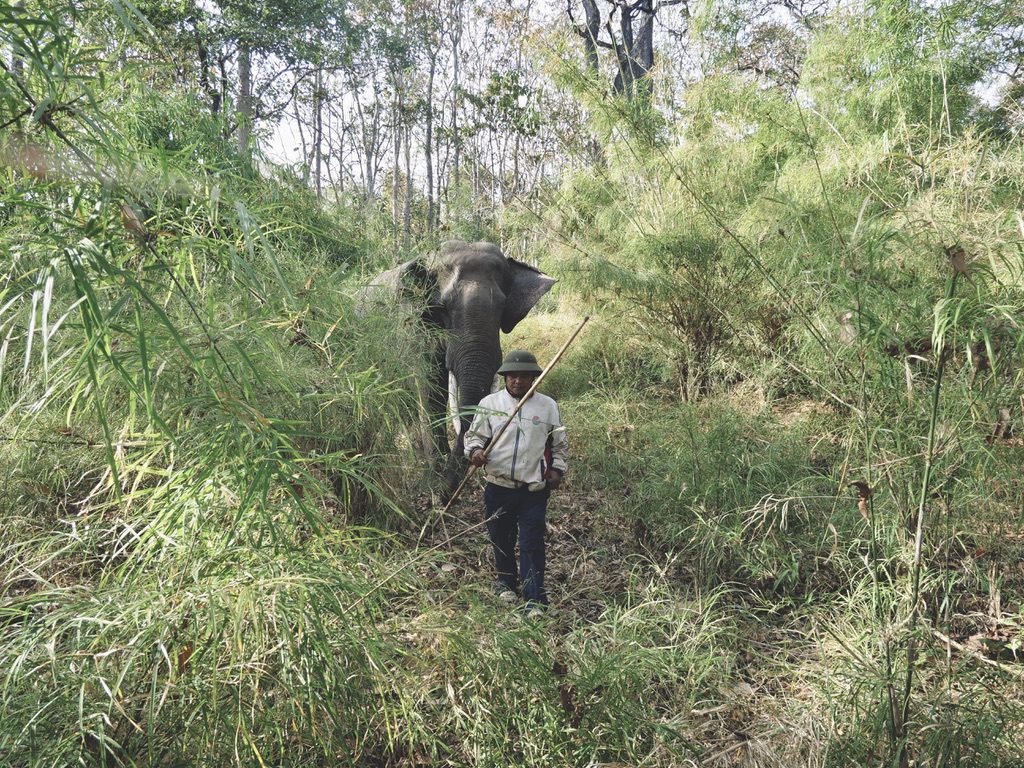
I paid a former mahout to take me into Yok Don National Park, near the Cambodian border. There, I witnessed something extraordinary, something fragile. A group of rewilded elephants, returned to the forest but not fully free. Their bodies moved like myths. Powerful, quiet, immense. They were watched over from a distance by their old handlers not out of ownership, but protection.
We crossed a jungle clearing for many kilometres, moving in near silence through the heat. My guide, himself a former mahout spoke not in Vietnamese, but in M’nong, the language of the native minorities peoples. It was a rhythmic, earthy tongue, and the elephants, once captive, seemed to understand it. The forest felt hushed, listening. Then, as if conjured, they emerged. First two females, cautious and slow, their trunks sampling the air. Then a lone male, his presence heavier, more commanding. They moved with a kind of majesty that made the ground feel sacred. Toward the watering hole they came, not to perform, not to serve, but simply to be.
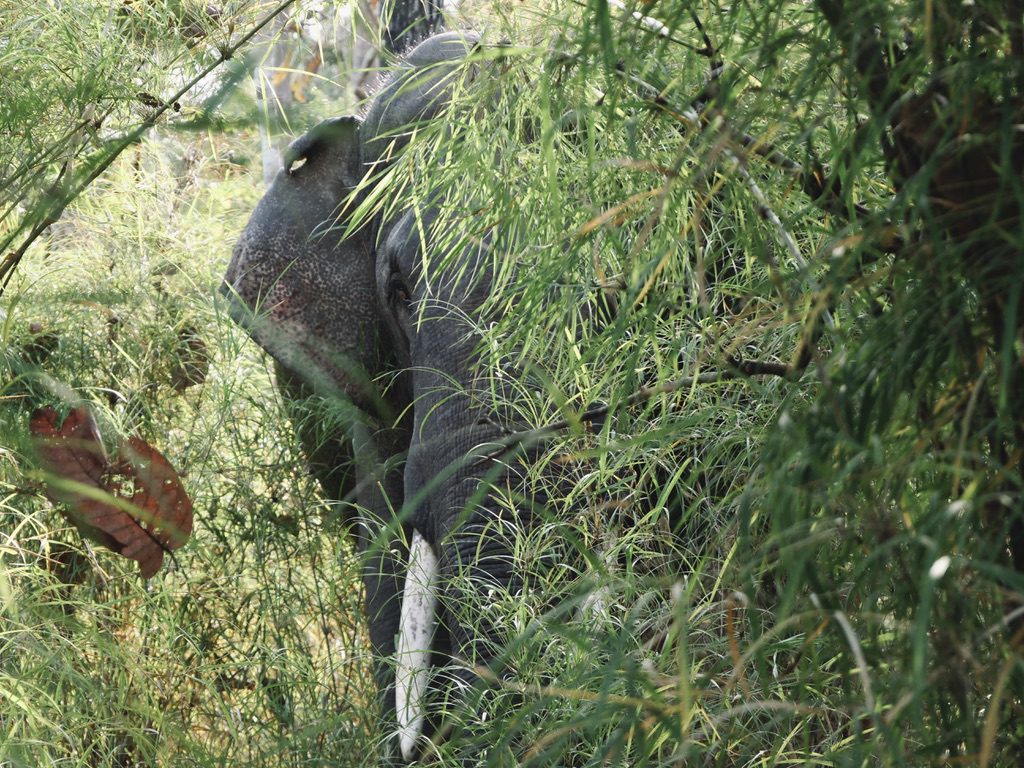
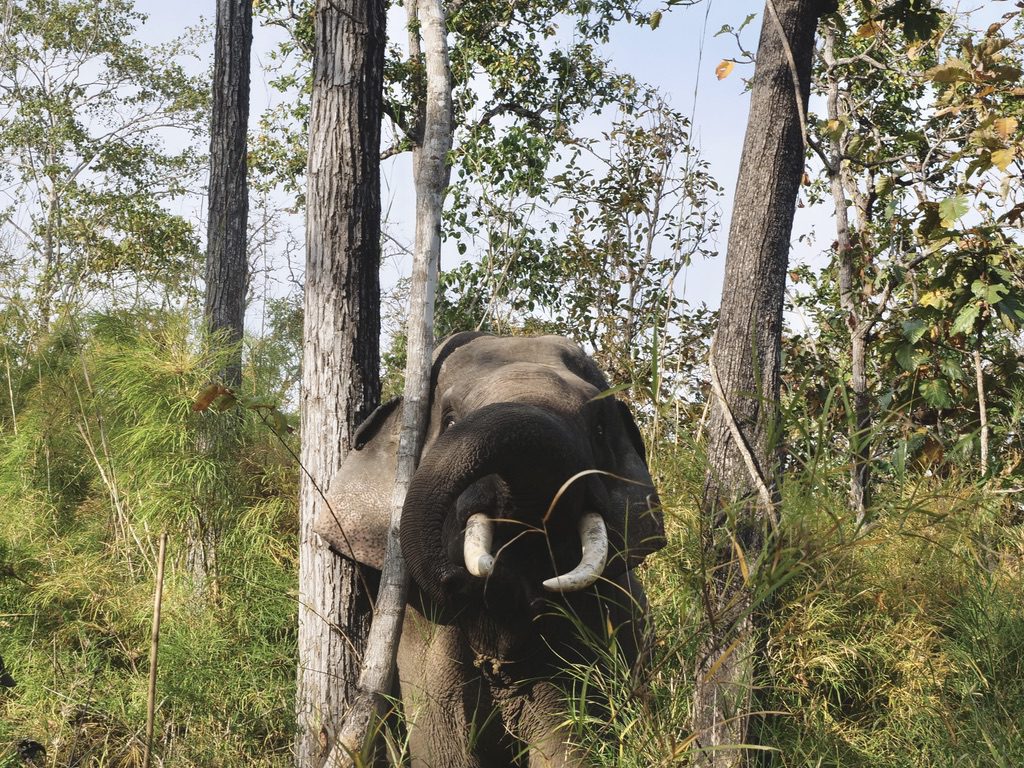
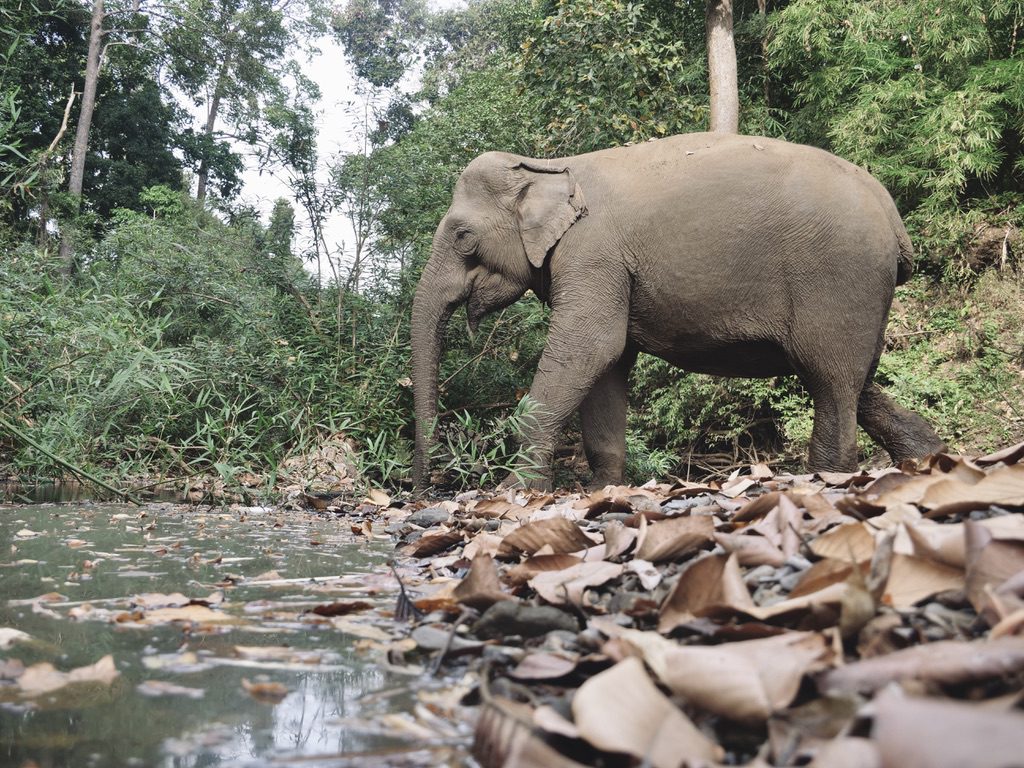
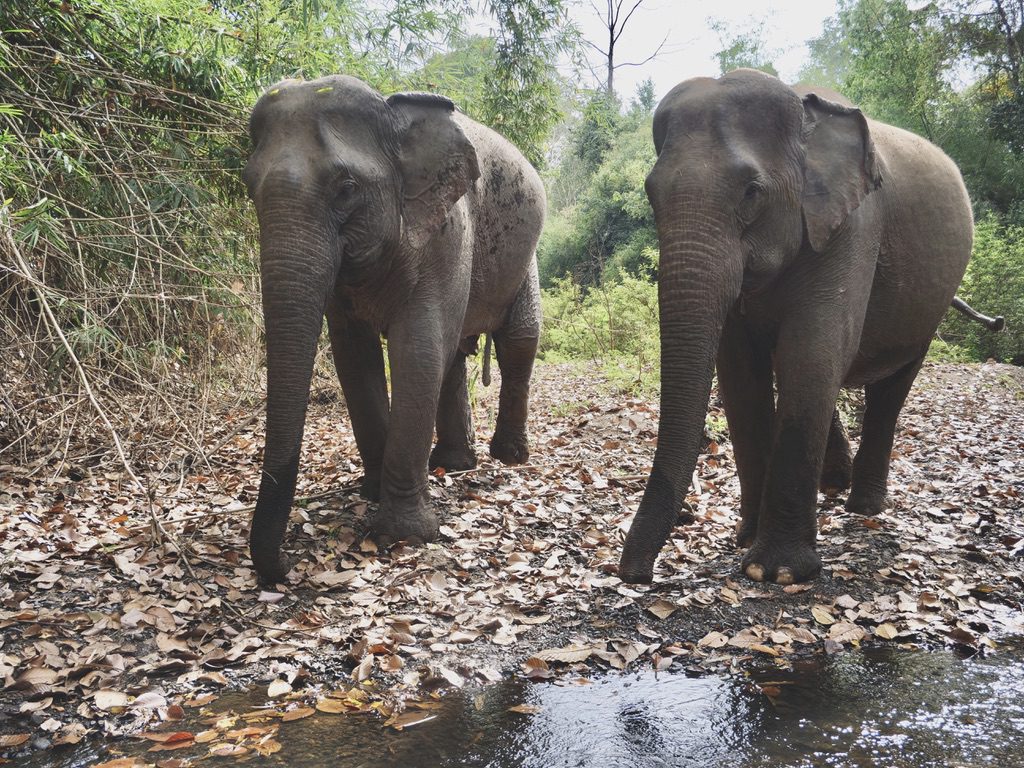
These elephants have been rewilded, but they are not truly free. Because they carry the lifelong scent of humans, they cannot be accepted by the few remaining wild herds. If they stray too far, they risk being attacked, sometimes even killed by elephants who still remember how to be wild.
So the mahouts have become something else, not masters, but guardians. They follow the elephants at a distance, watching, protecting not out of ownership, but out of a shared history they’re still trying to reconcile. Trying, in some quiet way, to undo what was done.
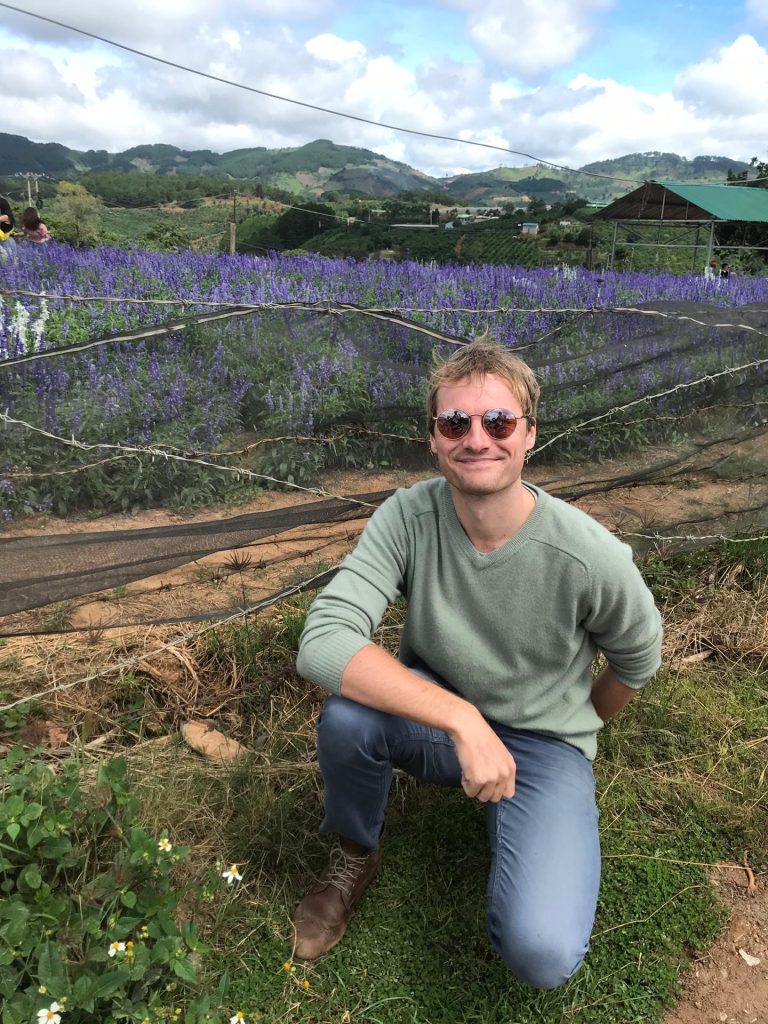
But this trip wasn’t only about them. It was also, unknowingly, a farewell to a kind of freedom, a naive innocence, to a version of myself. In re-reading old emails between Mum and me from that time, I found traces of something else I was searching for: quiet, truth, some foothold in the shifting ground of becoming.
In the presence of these great absences, the missing elephants, the silences between mountains, the spaces where forests used to be I learned something harder to name. About grief that doesn’t make a sound. About hope that persists without evidence.
I didn’t find the wild elephants but I saw where they had been and maybe, for a moment, I understood what it meant to follow something worth losing.